Social Networking / Social Media
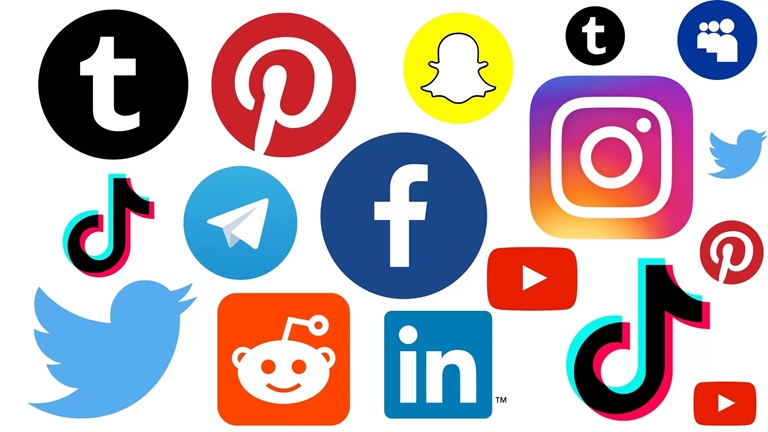 Social Networking and Social Media are popular with an increasing number of young people. The age profile of the Users of these websites has been getting younger and younger. Countries around the world (including Australia and France) have enacted legislation to ban young teenagers from Social Networking and Social Media websites. The European Commission has responded by making Proposals to the EU Kids Act in September 2026.
- What is Social Networking?
- What is Social Media?
- What are the benefits for children?
- What are the benefits for teachers?
- What are the benefits for society?
- What are the dangers?
- What legal frameworks are there to mitigate the dangers?
1. What is Social Networking?
Social networks are websites and apps that allow users and organizations to connect, communicate, share information and form relationships. People can connect with families, friends, others in the same area, and those with the same interests.
From https://www.techtarget.com/whatis/definition/social-networking
2. What is Social Media?
Social Media is a form of mass media communications on the Internet (such as on websites for social networking and microblogging) through which users share information, ideas, personal messages, and other content (such as videos). Social networking and social media are overlapping concepts, but social networking is usually understood as users building communities among themselves while social media is more about using social networking sites and related platforms to build an audience.
From https://www.britannica.com/topic/social-media